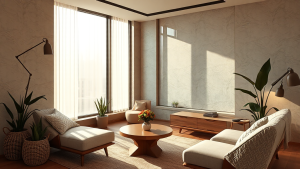
The Timeless Elegance of the Candelabru: A Guide to Choosing the Perfect Candelabru Living Piece
Lighting is one of the most transformative elements in interior design, and few fixtures carry the same weight of history, artistry, and ambiance as the . Whether you are renovating a modern apartment or restoring a classic home, the right candelabru can elevate a room from ordinary to extraordinary. This article explores everything you need to know about candelabru—from its origins and types to how to select the ideal candelabru living piece for your space. We will also delve into modern LED innovations that blend tradition with energy efficiency.
What Is a Candelabru? A Brief History
The term candelabru refers to a decorative, often branched, lighting fixture that holds multiple candles or bulbs. Historically, candelabru were crafted from brass, crystal, or wrought iron and served as the centerpiece of grand dining halls, ballrooms, and palaces. Over centuries, the design evolved from simple wooden holders to elaborate chandeliers dripping with crystals and gold leaf. Today, the remains a symbol of sophistication, but it has adapted to contemporary tastes with minimalist shapes, integrated LED technology, and versatile materials.
Why Choose a Candelabru for Your Home?
A candelabru does more than illuminate—it creates a focal point. When you hang a well-chosen candelabru living room fixture, you instantly add depth, drama, and warmth. It draws the eye upward, making ceilings feel higher and spaces more expansive. Moreover, the soft, diffused light from multiple sources reduces harsh shadows and creates a cozy atmosphere. Whether your style is vintage, industrial, or Scandinavian, there is a candelabru design to match.
Types of Candelabru: From Classic to Contemporary
Classic Crystal Candelabru
These are the grand, multi-tiered fixtures often seen in historic mansions. They use cut crystal prisms to refract light into rainbows. Ideal for formal dining rooms or grand entryways, a crystal candelabru makes a bold statement. However, they require regular cleaning and careful installation due to their weight.
Modern Minimalist Candelabru
For those who prefer clean lines, modern candelabru feature sleek metal arms, geometric shapes, and often integrate LED bulbs. They are lighter, easier to maintain, and fit seamlessly into open-plan living areas. A piece in a matte black or brushed gold finish can complement contemporary furniture beautifully.
Rustic and Industrial Candelabru
Wrought iron or reclaimed wood candelabru bring a farmhouse or steampunk vibe. They work well in lofts, cabins, or eclectic spaces. The exposed bulbs and raw materials add texture and character.
LED Candelabru: The Best of Both Worlds
LED candelabru combine traditional aesthetics with modern energy efficiency. They consume up to 80% less electricity than incandescent bulbs, last for years, and emit little heat. Many LED candelabru offer dimmable features and color temperature adjustments, allowing you to switch from bright task lighting to soft ambient glow. This makes them perfect for a room where flexibility is key.
How to Choose the Perfect Candelabru Living Piece
Selecting the right candelabru involves several practical considerations:
1. Room Size and Ceiling Height: For a standard 8-foot ceiling, keep the fixture under 20 inches in height. For higher ceilings, you can go larger. The width should be about half the width of the table or space below.
2. Light Output: Calculate lumens needed. A living room typically requires 1,500–3,000 lumens. An LED candelabru with multiple bulbs can easily deliver this.
3. Style Cohesion: Match the candelabru’s finish to other hardware in the room—door handles, faucets, or light switches. Consistency creates a polished look.
4. Installation and Maintenance: Ensure your ceiling can support the weight. For heavy crystal pieces, consult a professional. LED models are generally lighter and easier to install.
Learn more about candelabre and how it applies to your specific needs.
5. Dimmability: A dimmable candelabru living fixture lets you adjust ambiance for movie nights, parties, or quiet reading.
Top Materials for Candelabru
The material affects both aesthetics and durability. Common materials include:
- Brass: Timeless and warm, brass develops a patina over time.
- Chrome: Sleek and reflective, ideal for modern bathrooms or kitchens.
- Wood: Adds natural warmth and works well in rustic settings.
- Glass: Clear or frosted glass shades soften light and add elegance.
When shopping for a , consider the maintenance: brass and chrome are easy to wipe clean, while crystal requires more care.
Placement Tips for Maximum Impact
Where you hang your candelabru matters as much as the design itself. Here are guidelines for different rooms:
Living Room: Center the candelabru over the main seating area or coffee table. Keep it at least 7 feet above the floor to avoid head bumps. A fixture with adjustable height chains offers flexibility.
Dining Room: Hang it 30–36 inches above the dining table. Ensure the fixture is not wider than the table to prevent collisions.
Bedroom: Use a smaller candelabru with a dimmer for a romantic feel. Place it off-center above a nightstand or in a reading nook.
Hallway or Entryway: A dramatic candelabru welcomes guests and sets the tone. For two-story foyers, consider a multi-tiered design.
Energy Efficiency and LED Technology
Modern LED candelabru are not just beautiful; they are also eco-friendly. LED bulbs use significantly less energy and last up to 25,000 hours. Many come with integrated LEDs that cannot be replaced, but their longevity often exceeds the fixture’s lifespan. When choosing an LED candelabru, look for the CRI (Color Rendering Index) above 90 for accurate color representation. Adjustable color temperature (2700K–4000K) allows you to match the light to your mood—warm for cozy evenings, cool for focused tasks.
If you are updating an older home, you can retrofit existing candelabru with LED bulbs. However, ensure the dimmer switch is compatible with LEDs. Many modern fixtures are designed specifically for LED use, offering sleek profiles and reduced heat output.
Common Mistakes to Avoid
Learn more about candelabru living and how it applies to your specific needs.
Even the most beautiful candelabru can look out of place if not chosen carefully. Avoid these pitfalls:
- Oversizing or undersizing: A fixture too large overwhelms a small room; too small looks lost.
- Ignoring scale: A delicate crystal candelabru may clash with heavy rustic furniture.
- Poor placement: Hanging too high or too low reduces visual impact.
- Forgetting dimmers: Without dimmers, you lose control over ambiance.
Always measure your space and visualize the fixture’s proportions before purchasing. Use online tools or consult a lighting specialist if unsure.
Maintenance and Care
To keep your candelabru shining, dust it regularly with a soft cloth or feather duster. For crystal or glass, use a mixture of water and mild soap, then dry with a lint-free cloth. Avoid harsh chemicals that can damage finishes. For brass and chrome, a gentle polish every few months restores shine. LED fixtures require minimal maintenance—just occasional dusting and checking connections.
If your candelabru living piece has replaceable bulbs, opt for LED versions to reduce heat and energy costs. Always turn off power before cleaning or replacing bulbs.
FAQs
What is the difference between a candelabru and a chandelier?
While the terms are often used interchangeably, a candelabru traditionally refers to a branched fixture that holds candles or bulbs, often with a central stem. A chandelier is a more ornate, often multi-tiered version. In modern usage, candelabru can describe any decorative hanging light with multiple arms.
Can I install a candelabru in a room with low ceilings?
Yes. Look for flush-mount or semi-flush candelabru designs that sit close to the ceiling. These provide elegance without sacrificing headroom. LED versions are particularly slim.
Are LED candelabru dimmable?
Many LED candelabru are dimmable, but you must check the product specifications. Ensure your dimmer switch is compatible with LED drivers to avoid flickering.
How do I clean a crystal candelabru?
Use a step ladder and a soft cloth. For deep cleaning, remove detachable crystals and soak them in warm soapy water. Dry thoroughly before reattaching. For the frame, dust with a microfiber cloth.
What is the ideal color temperature for a living room candelabru?
Warm white (2700K–3000K) creates a cozy, inviting atmosphere. For multi-purpose spaces, choose a fixture with adjustable color temperature.
Conclusion
The candelabru remains one of the most versatile and enchanting lighting fixtures available. Whether you prefer the opulence of crystal, the simplicity of modern lines, or the efficiency of LED technology, there is a design to suit every home. By considering room size, style, and placement, you can select a piece that becomes the heart of your interior. Invest in quality, pay attention to details, and let your candelabru illuminate your life with timeless beauty.